
Grow. Care. Know.
May 17, 2026
The International Women’s Cannabis Conference centers the voices of women and non-binary leaders shaping the global cannabis landscape. Through our Speaker Series, we spotlight diverse perspectives across education, business, healing, and lived experience. From grassroots activists to research scientists, our speakers reflect the full spectrum of cannabis engagement. Drawn from around the world, they invite audiences to step into their unique relationships with the plant—and the movements it inspires.
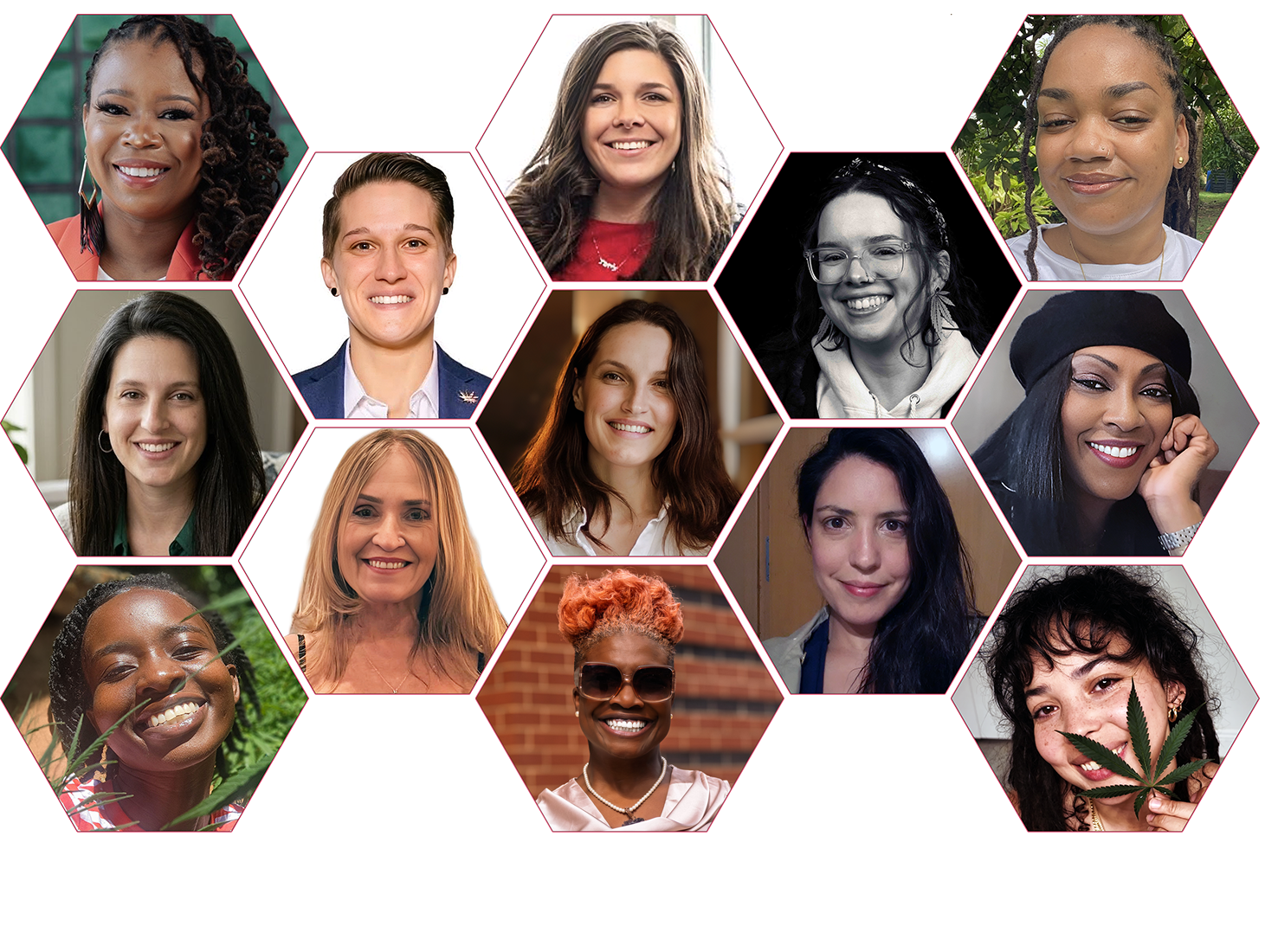
Drudys
Founder/Exec. Dir., Natl Center for Medical Cannabis Policy & Research | Clinical Risk & Workflow Strategist for Cannabis & Healthcare Integration
@drudys_ | LinkedIn | www.macvernet.com
 Drudys is a nurse, healthcare strategist, and founder working at the intersection of clinical practice, public health, and cannabis. With more than 20 years of experience across bedside nursing, ICU leadership, clinical operations, and health technology implementation, she brings a systems-level understanding of how care is delivered and where it breaks.
Her work focuses on a problem most industries have not yet fully named: patients are already using cannabis as part of their care, but healthcare systems are not consistently capturing, documenting, or integrating that use into clinical workflows. This gap creates preventable risk across medication safety, care transitions, and patient outcomes.
Drudys is the Founder and Executive Director of the National Center for Medical Cannabis Policy & Research, Inc., operating as Project Destigmatize Healthcare (PDH), a nurse-led, data-driven initiative focused on closing the gap between patient behavior and clinical visibility. Through PDH, she is leading one of the first efforts to systematically study how cannabis use intersects with real-world healthcare delivery, with a focus on behavioral data, patient disclosure, and clinical risk.
Her framework introduces Behavioral Determinants of Health (BDOH) as a missing layer in modern care. While healthcare systems have made progress addressing social determinants, they still lack structured ways to understand and respond to what patients are actually doing to manage their health. Cannabis is the most visible example of this gap, but not the only one.
In parallel, Drudys is the founder of MAC Vernet Consulting, where she advises healthcare organizations, payers, and cannabis operators on clinical risk, workflow integration, and operational readiness. Her work translates under-documented patient behavior into structured, defensible clinical processes, helping organizations reduce risk while improving patient safety and coordination of care.
She is also the creator of Cannaversations®, a media and event platform designed to host real conversations at the intersection of cannabis, culture, and healthcare. Through curated discussions, writing, and live activations, she brings together clinicians, policymakers, operators, and community members to explore how this evolving industry intersects with real patient experiences.
Drudys’ perspective is shaped not only by her clinical training but by her lived experience navigating multiple systems, cultures, and identities. Born in Caracas, Venezuela, and raised within both Latin American and U.S. healthcare and education systems, she brings a deep understanding of how access, trust, and communication shape health outcomes. Her work is grounded in health equity and the belief that visibility is a prerequisite for safe, effective care.
She is known for her ability to translate complex clinical and regulatory realities into clear, actionable insight. Her voice is direct, grounded, and rooted in practice. She does not approach cannabis as a trend or a policy issue alone, but as a present-day clinical reality that demands structured, thoughtful integration.
Across all of her work, her focus is consistent:
Healthcare cannot manage what it cannot see.
Her mission is to make what is already happening in patient care visible, measurable, and safe—so that individuals, communities, and systems can move from fragmented experience to coordinated care.
Drudys is also the mother of two amazing little humans, a marathoner, writer and published author.
Cannabis Customers Are Patients: The Clinical Reality of Cannabis in 2026
Katelyn Avruch
Founder, Operator Academy | Lean Operations Consultant
@extractorkate | LinkedIn | operatoracademy.org
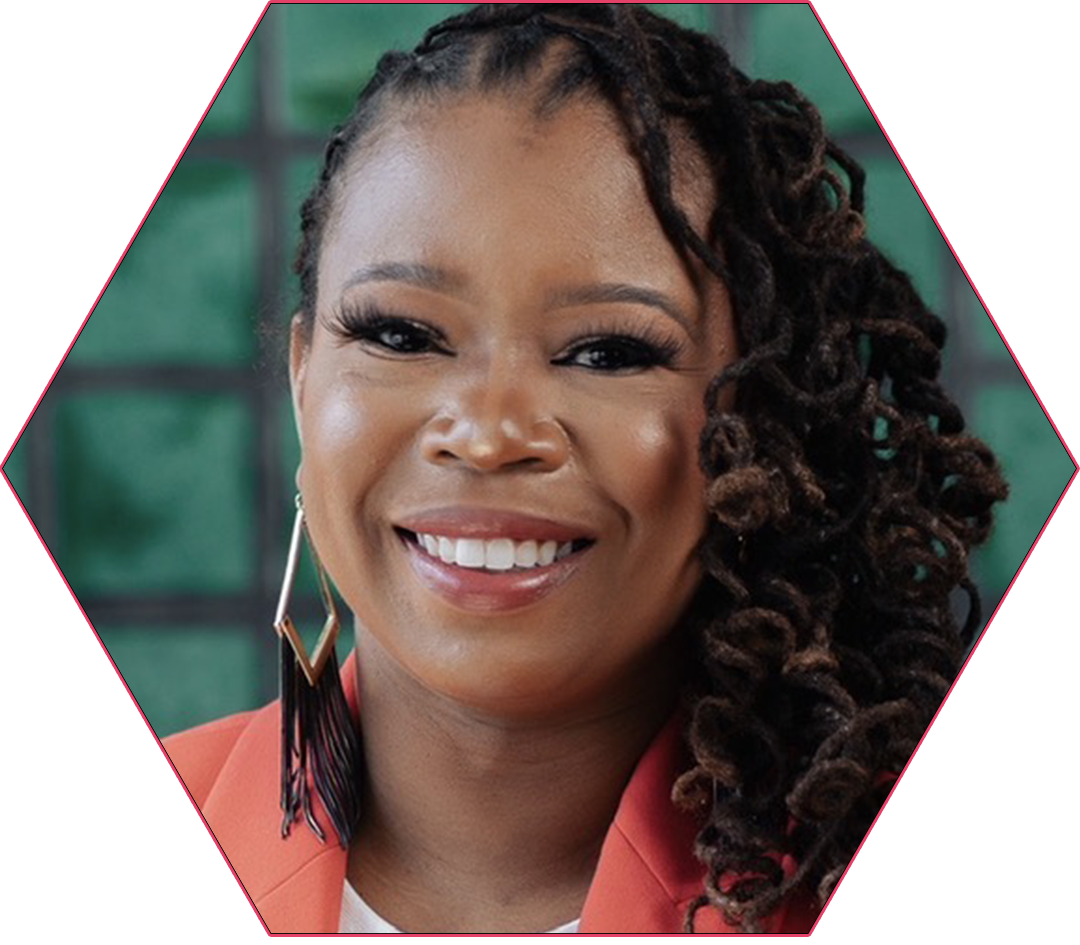
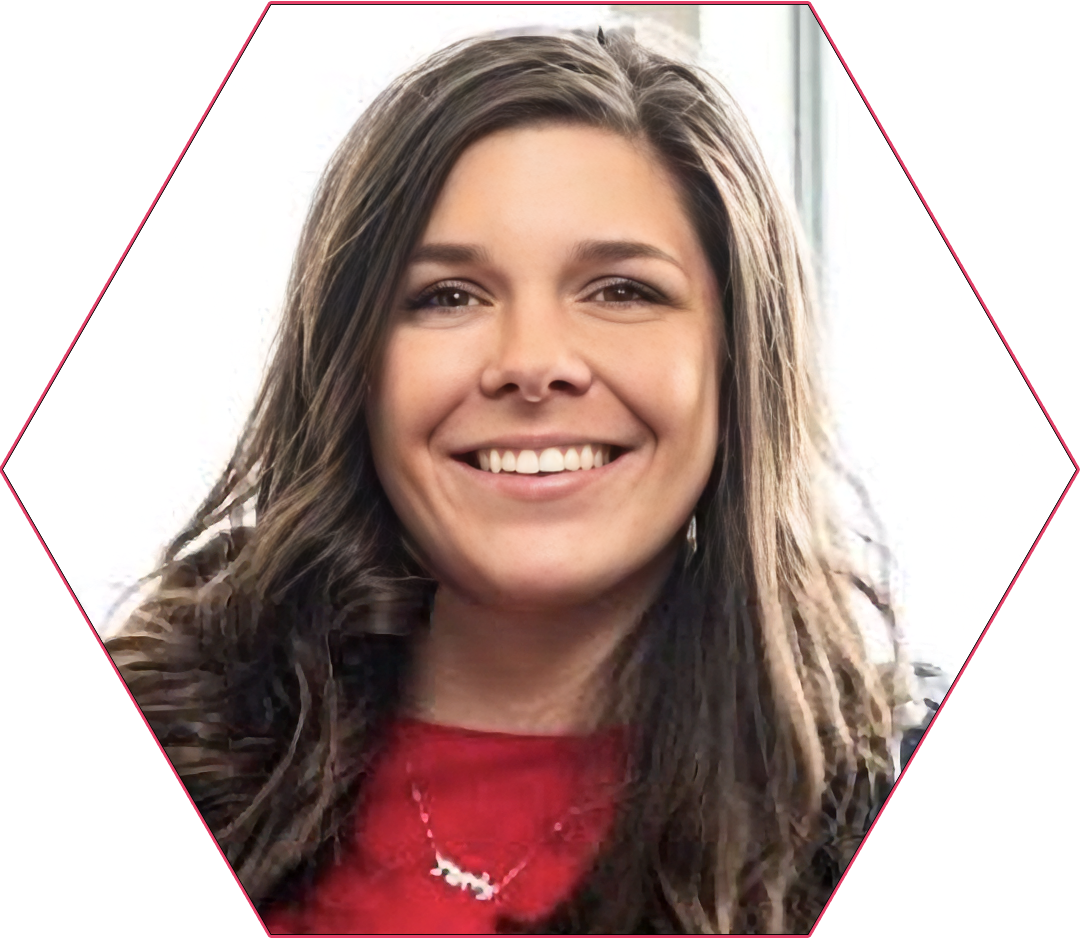 Katelyn Avruch is the Founder of Operator Academy, a cannabis manufacturing workforce training and operations consulting practice based in Massachusetts. For more than a decade she has worked across the cannabis supply chain as an operator, consultant, and educator, helping open more than ten licensed cannabis operations across New England and contributing to the design of Massachusetts’ first social equity cannabis training program in partnership with the Cannabis Control Commission.
Kate’s work is built around a conviction that the back of house is where the real margin and the real ownership live. As a Lean Operations Business Consultant she specializes in the manufacturing and cultivation systems that quietly determine whether a cannabis brand thrives, stalls, or gets acquired on someone else’s terms. Her consulting spans process design, tech stack implementation, SOP architecture, batch record systems, quality programs, formulation development, and the workforce infrastructure that turns line workers into future operations leaders. She has worked across retail, manufacturing, cultivation, and regulatory environments, most recently leading fractional retail and operations work for integrated facility licensees in Alabama.
She co-founded the Cannabis Education Center at Holyoke Community College and built Operator Academy curriculum to reach the populations the industry too often overlooks, including new immigrants and refugees, non English speaking adult learners, social equity applicants, youth, and career changers. Kate believes that the long-term legitimacy of legal cannabis depends on whether the people doing the work behind the scenes are trained, paid, promoted, and given a real path to ownership. She is particularly focused on creating that path for social equity brands, whether through brand-license arrangements that build margin and equity, manufacturing license applications that put the floor in their name, or consulting practices that monetize the formulations and operational IP they have already built.
Beyond cannabis, Kate is a founding member of Decriminalize Nature Massachusetts and an active voice in psychedelic research and policy reform. She serves on the technical advisory committee for Cannabis Safety and Quality (CSQ), is affiliated with the American Chemical Society’s CANN Division, and is a producer of Morning Melt Boston, an annual gathering for the cannabis and entheogenic communities. Her independent work spans mycology, foraging, tissue culture, and gene sequencing, reflecting a lifelong fascination with the science of the plants and fungi that shape human health.
Kate lives in Brookline, Massachusetts with her husband, a Boston public schools special education teacher, and their young son. She writes, snowboards, travels, and reads widely on operations, plant medicine, and the future of work.
Manufacturing Is Where the Margin Lives: Three Paths to Ownership for Women in Cannabis
Julie Manlius
Founder, Cannect FWI | Caribbean Cannabis Market Strategist
@cannectfwi | LinkedIn
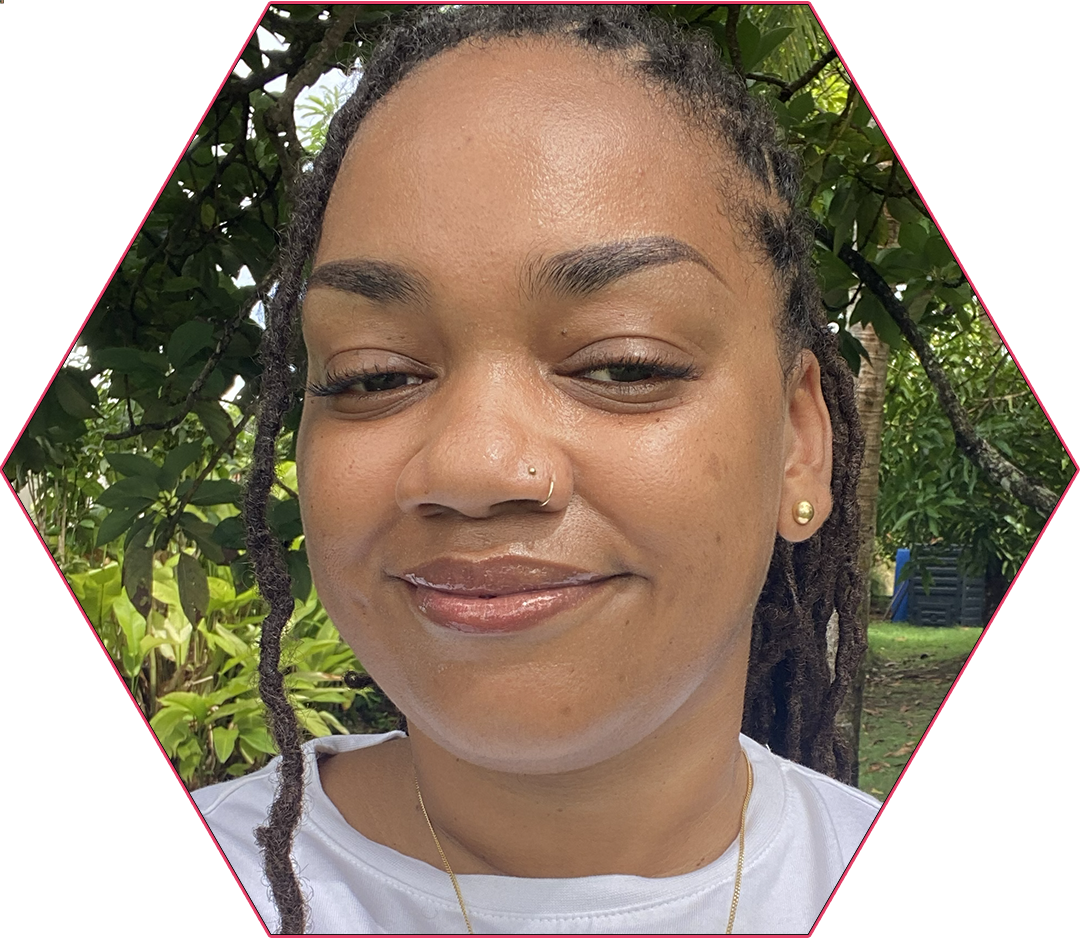
A Caribbean cannabis ecosystem builder and market strategist, Julie Manilus works at the intersection of education, data, and cultural innovation within the cannabis industry. After gaining hands-on experience working with a Licensed Producer in Toronto, Canada, she returned to Guadeloupe with a clear mission: to help shape a more informed, intentional, and locally rooted cannabis ecosystem in the French Caribbean.
She founded Cannect FWI, an educational platform dedicated to helping both consumers and professionals better understand the cannabis plant, its therapeutic potential, evolving regulations, and market opportunities across the region.
Building on that vision, Julie also created The Happy Corner, a concept centered on infused experiences through vegan cuisine, wellness, and the exploration of minor cannabinoids, offering a new way to engage with plant-based lifestyle and conscious consumption.
Alongside this entrepreneurial work, she is currently deepening her expertise through data analyst training, focusing on market intelligence, consumer behavior, and strategic insights to better understand and support the future of the cannabis industry in emerging Caribbean markets.
Rooted in Medicine, Culture & Spiritual Sovereignty: The Caribbean Cannabis Model
Linda Solana
Owner/ President, CannaVibes Dispensary | Owner, K9Nanni
@lsolana63 | LinkedIn | https://cannavibesnj.com
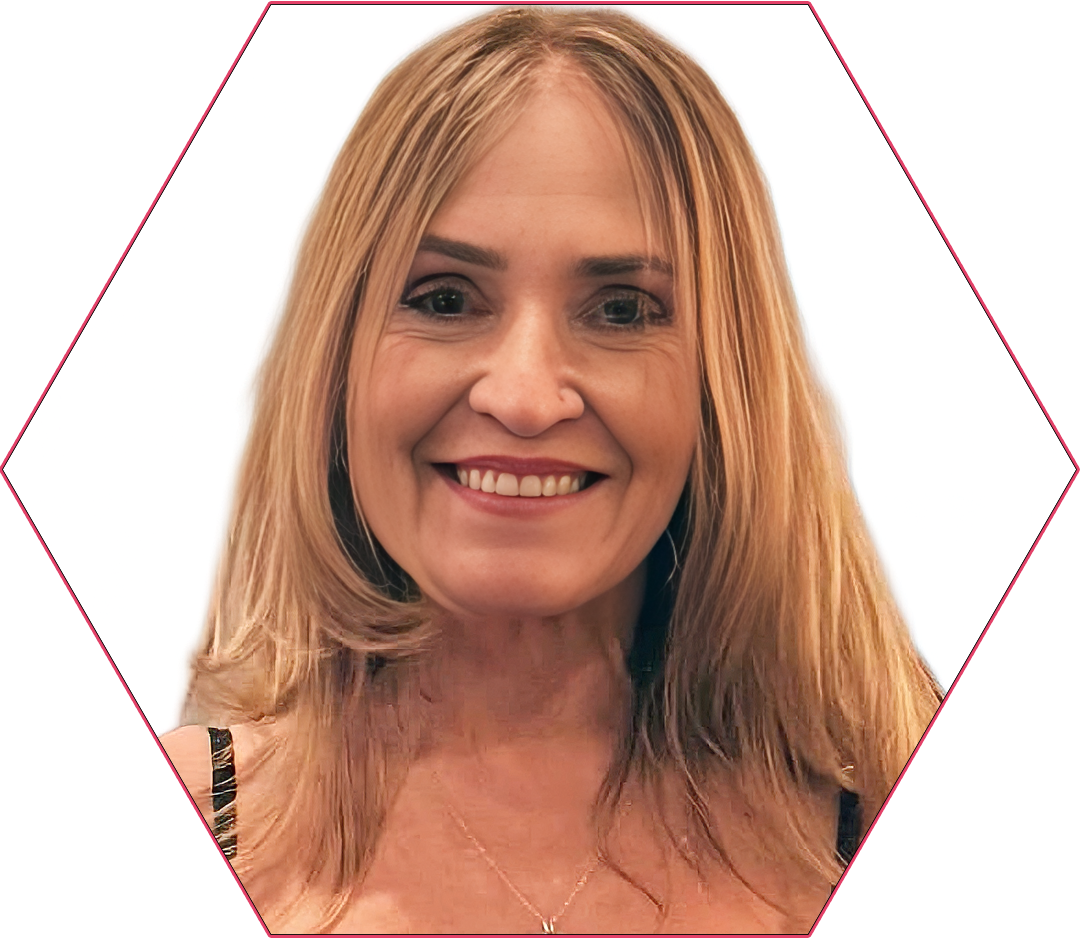
Linda Solana is the owner of CannaVibes Dispensary in Elmwood Park, New Jersey, and founder of K9Nanni, one of New Jersey’s largest dog daycare facilities. Born to Cuban immigrant parents, Linda spent more than two decades building K9Nanni into a trusted community business rooted in care, compassion, and service before bringing that same philosophy into cannabis.
A cancer survivor, Linda experienced the healing potential of plant medicine firsthand, inspiring her transition into the cannabis industry. After a 2½-year fight for zoning approval, she opened CannaVibes as an education-focused dispensary centered on wellness, inclusion, and genuine community connection.
Beyond business, Linda is deeply committed to social impact through her work with Score Reentry, supporting families affected by cannabis-related incarceration. Through both caregiving and cannabis advocacy, she continues to build spaces rooted in healing, dignity, and purpose-driven entrepreneurship.
Recreational Is a Legal Classification, Not a Medical Reality
Madicyn Marinaro
Disinformation Researcher
@cannabismedicynn | LinkedIn
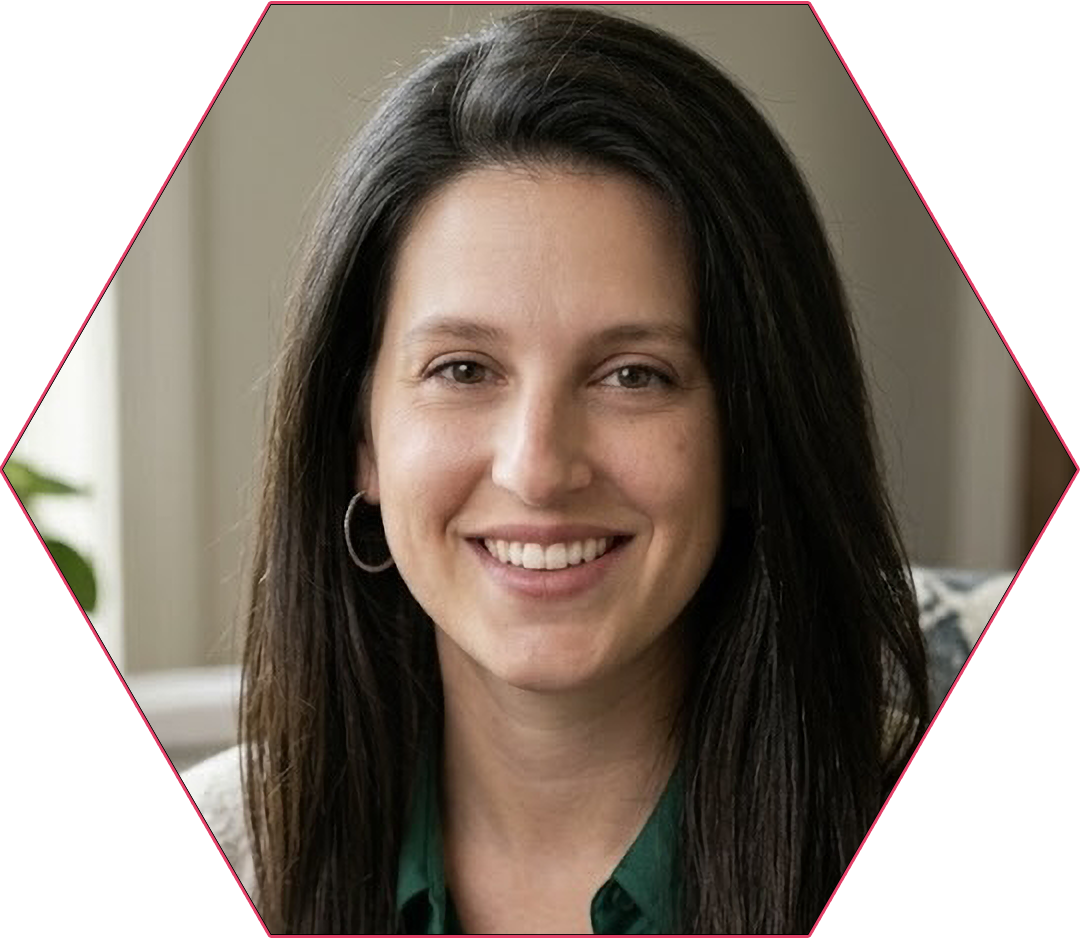 Madicyn Marinaro has been an outspoken cannabis patient advocate for over two decades. At 17 years old, after a bowel resection due to Crohn’s Disease, she ended up almost dying from sepsis. She spent six months straight hospitalized, missing her senior year of high school. She could not be discharged because she could not stop throwing up. The sepsis had ravaged her body and she was completely dependent on IV nutrition. After the onslaught of medical treatment seemed to offer little respite, she was encouraged to try using cannabis. From the moment she used cannabis, her nausea dissipated. Her appetite returned. And after a week or two of tolerating food, she was finally able to be discharged.
The entire time she was inpatient at the hospital, she was on a dilauded pain pump. When she was discharged, she was sent to a pain management clinic. This was during the time when opioids were being massively over prescribed. So she was put on high doses of extremely potent narcotics, such as fentanyl patches, oxycontin, and roxycodone. Along with medicines like Xanax, Gapapentin, Lyrica, steroids, etc. She became completely physically dependent on these medicines, suffering from an unwelcome addiction for years.
Through it all, cannabis gave her the greatest relief. When she became debilitated from years of polypharmacy, she relied solely on cannabis. Understanding the numerous prescriptions were harming her more than helping, with the help of cannabis, she was able to detox from every medication she was on.
After surviving this kind of medical trauma and coming out of it healed and balanced thanks to cannabis, she stepped up her advocacy around cannabis. Before, she was a staple of the California medical market as a patient advocate supporting truly amazing caregivers. Once Prop 64 passed in California, she took her advocacy online. Building a sizable following and working with numerous different cannabis businesses to build legitimacy and promote their products. Unfortunately, she witnessed firsthand how increased regulations and a heavy focus on compliance ended up destroying the cannabis medical market that had helped save her life.
While cannabis had been legalized because of patient success stories such as her own, the narrative after legalization began to shift. Cannabis benefits stopped being promoted and instead a narrative of danger around cannabis became even more elevated. This is what allowed for the strict regulations and the high cost compliance that pushed out legacy operators in the California medical market. Cannabis has been a victim of propaganda and disinformation (culminating in Reefer Madness) for nearly one hundred years, and the distinct pattern was reemerging. With devastating consequences.
Having her own real life experience with cannabis be so diametrically opposed to the “cannabis is dangerous” narrative that was being promoted, Madicyn decided to start investigating what was actually happening. She took a multi-domain approach, studying cannabis stocks, advertising rates, platform policies, financial risk models, history and politics to understand the dynamics at play. Her research pointed to an unexpected truth, the fear narratives being promoted mirrored the historic propaganda of Reefer Madness. Except this time, the propaganda was being supported from within the cannabis industry itself.
Because algorithms and platform policies restrict cannabis content, notably promotion of cannabis benefits, the only narrative around cannabis that could truly scale was one of risk and danger. This narrative just so happens to support the growing and highly profitable ancillary services industry built around heavy cannabis compliance. But what it also does, is it allows cannabis trade publications to charge almost 5x more for advertising placements. Due to the inherent advertising scarcity. This creates an environment where only well funded operators can consistently afford to communicate their business, while legacy operators are silenced. And the well funded operators in cannabis, not only the compliance sector but MSOs, understand complexity as a moat. They understand that heavy regulations allow for the corporate capture we’ve witnessed happen in cannabis. Because only those well funded operators can navigate such ever changing and heavy restrictions. It ultimately keeps competition out.
And this creates a feedback loop, where the promotion of cannabis dangers becomes a business model that is supported and repackaged within the industry. This dynamic also supports the extreme shorting of cannabis stocks, which at the height of the “Green Rush” offered shorts billions of dollars in profit. It was so pronounced, that the SEC investigated and served sanctions. By essentially driving the value of cannabis businesses down to almost nothing, this also supported an environment where cannabis businesses could be bought out by competitors at a massive discount. The consequences of this are corporate and regulatory capture, which we are currently seeing come to fruition.
This is all supported by disinformation. Because while cannabis may have risks, as everything does, coffee, produce, eggs, water, the risks around cannabis are pronounced. Not only because promotion of cannabis benefits are prohibited, but because research around cannabis is primarily funded around it’s “dangers”. This creates a distorted information environment, one that is being leveraged by corporations to again, capture the market. And this distorted information environment is driving multi billion dollar business decisions and legislation. As disinformation becomes a growing global concern, Madicyn has leveraged her unique knowledge around cannabis disinformation to not only advocate for common sense cannabis reform. But also to allow institutions to see in real time, how disinformation can create systemic risk and drive bad business decisions and policy.
Datafied Prohibition | How Historic Cannabis Disinformation is Causing Systemic Risk
Sarah Stenuf
Founder, Veteran’s Ananda Inc. | Founder/CEO, Ananda Farms LLC
@anandafarms | LinkedIn | www.AnandaFarmsNY.com
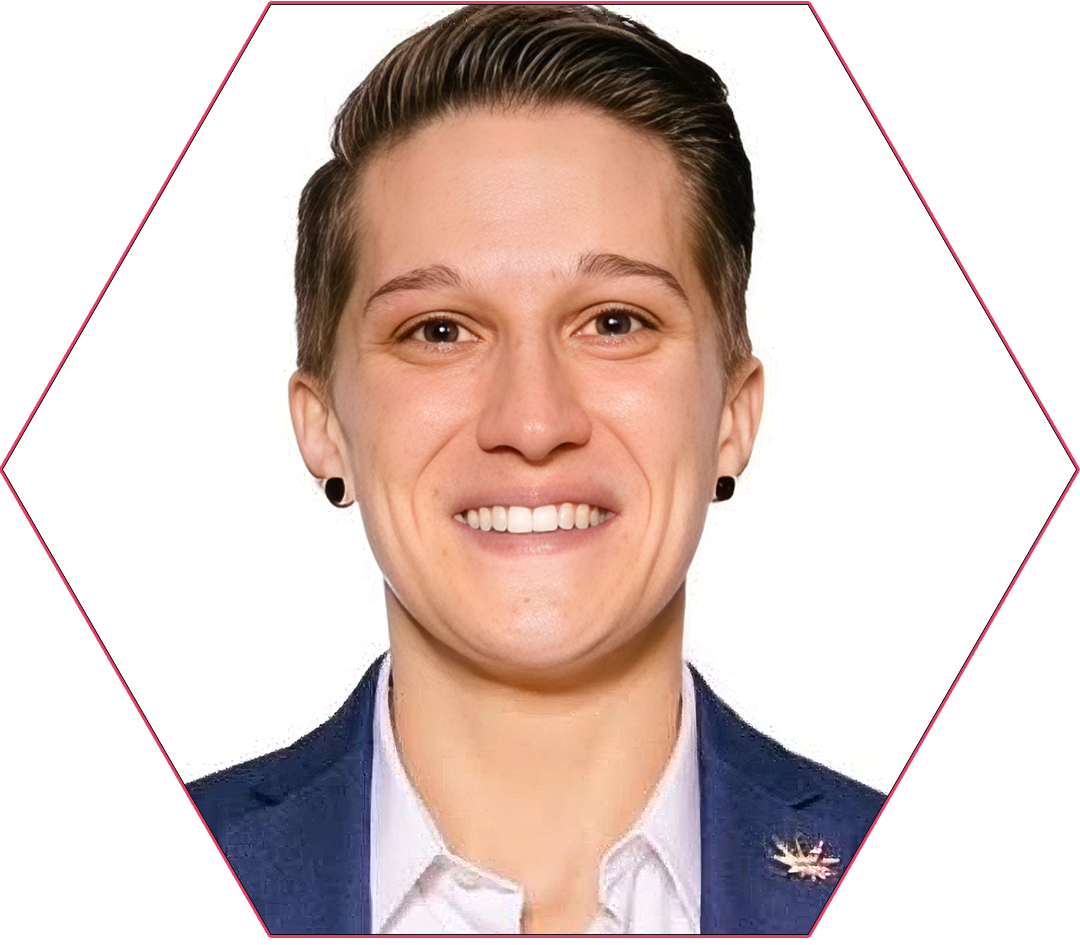
Sarah Stenuf is a Syracuse, NY native, former U.S. Army Apache Crew Chief, and medically retired veteran. After sustaining a traumatic brain injury that led to epilepsy and PTSD, she dedicated her life to supporting fellow veterans and addressing critical issues like homelessness, suicide, and access to comprehensive care.
She is the Founder of Veteran’s Ananda Inc., a 501(c)(3) nonprofit retreat that provides holistic rehabilitation, therapeutic programs, and family support for veterans.
Sarah is also the Founder & CEO of Ananda Farms LLC, a New York State woman, certified Service Disabled Veteran Owned Business (SDVOB). Ananda Farms was Oswego County’s first licensed hemp cultivator, the state’s first U-Pick hemp farm, and among the earliest recipients of New York’s conditional adult-use cannabis cultivation and microbusiness licenses. The company now grows, processes, and distributes premium cannabis to licensed dispensaries statewide and is preparing to launch retail operations.
Operating across multiple NY locations—with nursery, cultivation, processing, and distribution capabilities—Ananda Farms is committed to sustainable agriculture, economic opportunity, and community impact.
Cannabis, Combat & Care: Veterans in the Schedule III Era
Jessica Reilly Chevallier
Editor-in-Chief, Fat Nugs Magazine | Writer
@canna_writer | LinkedIn | fatnugsmag.com
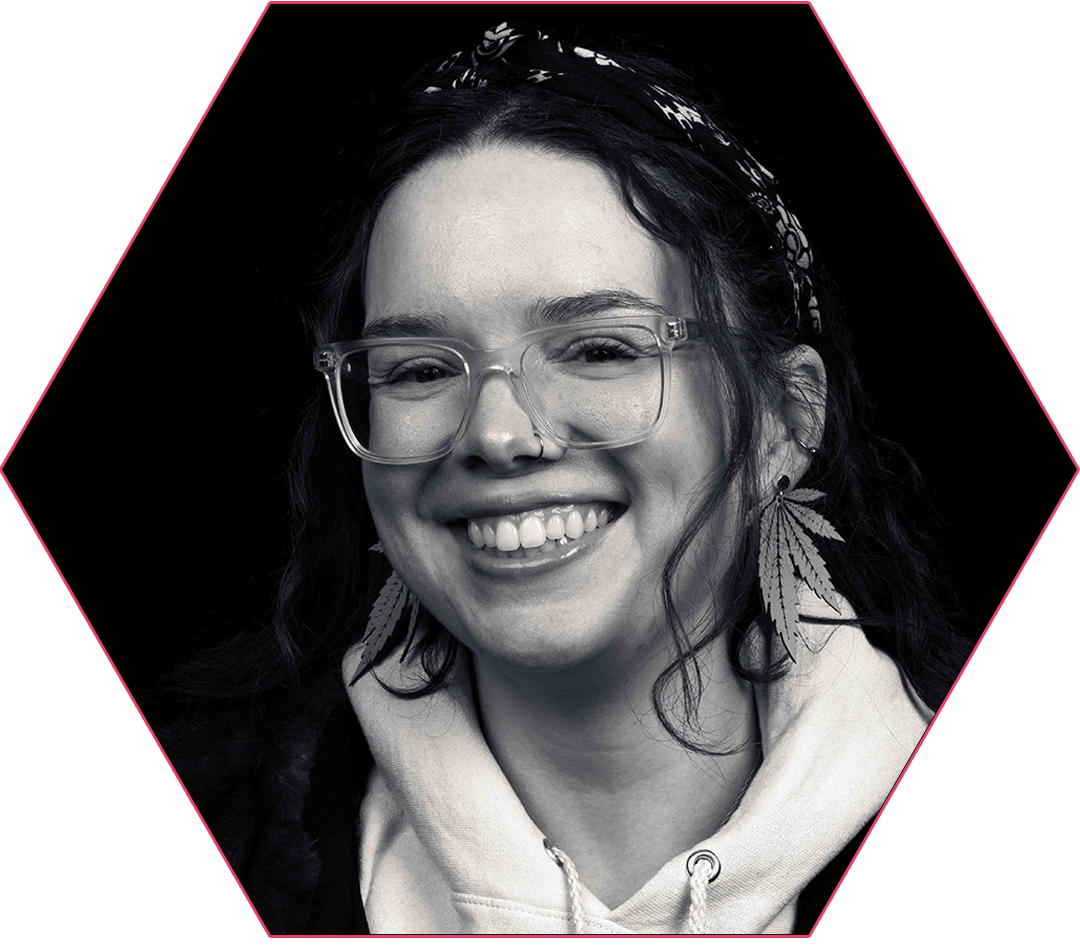 Jessica Reilly-Chevalier is the Editor-in-Chief of Fat Nugs Magazine, an independent cannabis publication known for culture-driven storytelling, sharp editorial perspective, and unapologetically human coverage of the plant and the people surrounding it. Through both print and digital media, she oversees editorial direction while covering cannabis science, policy, culture, product innovation, and the evolving realities of the modern cannabis consumer.
In addition to leading Fat Nugs Magazine, Jessica runs Jessica Reilly, Writer, a copy and content company focused on educational storytelling for cannabis and psychedelic businesses. Her work bridges accessibility and depth, translating complex topics surrounding cannabis, the endocannabinoid system, and emerging plant medicine conversations into content that resonates with both industry professionals and everyday consumers.
Jessica is particularly interested in independent cannabis media, minor cannabinoids, alternative consumption methods, and preserving authentic cannabis culture in an increasingly commercialized industry. Her writing and interviews have appeared across multiple cannabis publications, and she is known for centering education, curiosity, and nuanced conversation over hype-driven marketing.
When she’s not writing or editing, Jessica can usually be found hiking through Taos, New Mexico, traveling the country in her van, or enjoying locally grown sungrown cannabis with her husband and dog.
Independent Cannabis Media In Partnership With Your Small Cannabis Brand
Ana Afuera
Advocator (ENCOD)
@nitta_86_5 | LinkedIn
Political scientists specialize in drug policy and Cannabis Social Clubs. Currently, Ana holds the position of ENCOD’s (European Coalition for Just and Effective Drug Policies) secretariat and is a member focused on political and social advocacy at ConFAC (Confederation of Cannabis Social Clubs in Spain). She was a founder member of REMA (Spanish Network for Cannabis Women).
Her professional career began in 2009 in a pioneer club, La MACA Barcelona. She currently promotes the Cannabis Social Club model in international and national policy forums, advocating for people-centered drug policies, such as the Commission on Narcotic Drugs of the United Nations. Her recent publications include the European Guidelines for Cannabis Social Clubs. Ana collaborates with German stakeholders in the political and social fields to share the experience of Spanish clubs in the framework of the CanG. In this context, Ana has participated in seminars and publications, such as 11. Alternativer Drogen-und Suchtbericht 2024 of AKZEPT.
From Bottom to Top: How Cannabis Social Clubs Changed Drug Policy
Zvikomborero Hillary Mavuru
Founder & CEO, ERRB | Herbalist | Cannabis Entrepreneur, Cultivator & Edibles Manufacturer/Herbalist
@hillaryzmavuru | LinkedIn
Hailing from South Africa, Zvikomborero Hillary Mavuru is a multidisciplinary entrepreneur, agro-processor, and advocate for indigenous plant medicine systems. She holds a Bachelor of Business Administration in Supply Chain and Logistics (Cum Laude), with additional certifications in Entrepreneurship, New Venture Creation, Procurement & Logistics, Digital Marketing, Project Management, and Non-Profit Board Management. She also has an academic background in Civil and Environmental Engineering.
Hillary is a Traditional Health Practitioner in herbalism and her journey with cannabis is deeply personal and purposeful., with plant medicine playing a transformative role in her own healing journey. This experience informs her mission: to advance food security, holistic wellness, and community empowerment through accessible, culturally grounded cannabis education and products.
Hillary is the Founder and CEO of ERRB AFRIKA., a female-led cannabis and herbs agro-processing and manufacturing company rooted in Afrikan indigenous practices. ERRB specialises in the development of nutritionally rich, edible products with adaptogenic and functional herbs, combining confectionery science with plant infusion chemistry.
She currently serves as Director of Operations at The Cannabis and Hemp Company (NPC), where she oversees strategic planning, regulatory processes, and programme implementation within the cannabis sector.
She is a skilled horticulturist, cannabis cultivator, and product manufacturer, Hillary is also a facilitator, speaker, and cannabis educator. Her work spans training agro-processors, hosting workshops and events, and advocating for responsible cannabis use, decriminalisation, de-stigmatisation, decolonisation and knowledge transfer within communities.
From Tradition to Practice: An Afrikan Perspective on Cannabis Processing and Product Making
Tesa Lubans, LM
Licensed Midwife | Herbalist
@sacredasamother
 Tesa Lubans-Dehaven is a licensed midwife with over a decade of clinical experience whose work sits at the intersection of midwifery, nervous system health, and nutritional biochemistry. She is the creator of the Language of Living Systems™ — a framework that views the female body as something that organizes energy, fertility, mood, and intelligence through cycles, not chaos. And the thing she says that stops women in their tracks: your symptoms were never the problem — they were the most honest thing about you.
Tesa comes from Latvian roots — a culture with one of the oldest living folk song traditions in the world, a deep relationship with the land, and a cosmology that never separated the female body from the cycles of the earth. That inheritance runs through everything she does. She is not interested in wellness as a product. She is interested in sovereignty — the kind that comes from knowing your body, your lineage, and the ground beneath your feet.
Before clinical practice, Tesa spent years as a cannabis cultivator in Northern California, living off-grid in a yurt and growing in the years before legalization existed. Those years were a masterclass in what no textbook teaches — how to read a living system, how to respond rather than control, how to understand that a plant under stress is a plant asking a question. She learned more about the female body from growing cannabis than she has from most medical texts. She later became an industry stakeholder and helped pass California’s legalization legislation — a chapter she holds with complexity, watching the regulatory framework she helped build dismantle the small, land-connected cultivators who built the culture in the first place. She was also co-founder of Poet, a cannabis brand, before her path returned fully to midwifery and women’s health.
That return was not incidental. Tesa sees the cannabis industry and the female body through the same lens — living systems that have been commodified, flattened, and extracted from their original intelligence by the same forces. Her clinical work is inseparable from her commitment to dismantling the whiteness embedded in wellness culture: the sterility, the individualism, the erasure of ancestral knowledge, the transformation of embodied wisdom into purchasable protocols. She believes the most radical act a woman can perform is to stop outsourcing her body knowledge to institutions that were never built with her in mind.
Today Tesa is the founder of Sacred as a Mother (@sacredasamother), a movement and thought leadership platform rooted in female nutrition, fertility, preconception, and cyclic intelligence. She is the creator of the Cyclic Intelligence™ framework and runs Your Fertile Body, a six-month high-touch virtual programme for women, men, and couples navigating fertility from the ground up. Her work draws equally from clinical data, herbal tradition, Latvian folk wisdom, and ten years of catching babies in the liminal space between one world and the next.
She has grown cannabis, delivered children, studied hormones, tended gardens, and sat with women in the most unguarded moments of their lives. All of it has taught her the same thing: living systems do not fail. They respond. The question is whether we know how to listen.
tesa@sacredasamother.co
Cyclic Intelligence: The Leadership System Women in Cannabis Are Missing
Stephanie Shepard
Executive Director, Last Prisoner Project
@stephy_sheps | LinkedIn | lastprisonerproject.org

Stephanie Shepard is the Executive Director of the Last Prisoner Project, where she leads national efforts focused on cannabis justice, clemency advocacy, reentry support, and repairing the ongoing harms caused by cannabis criminalization.
In 2010, Stephanie was sentenced to ten years in federal prison for a nonviolent cannabis conviction as a first-time offender. After serving nine years in prison and an additional five years on federal probation, she transformed that experience into a relentless commitment to restorative justice and systemic reform.
Today, Stephanie stands at the forefront of one of the most important justice movements in cannabis, advocating for those still incarcerated while helping formerly imprisoned individuals rebuild their lives, reunite with their families, and find pathways back into society and the legal cannabis industry. Through her leadership, storytelling, and advocacy, she continues to challenge an industry profiting from legalization while many remain incarcerated for the very same plant.
Cannabis, Gender & Sexual Minorities: A Trauma-Informed Perspective on the Queer Endocannabinoid System
Kim Stevens
Perinatal Cannabis Researcher | Maternal Wellness Educator@kimcaryophyllene
Kim Stevens, also known as Kim Caryophyllene, is a public health professional, maternal wellness advocate, cannabis researcher, and digital creator focused on the evolving conversation surrounding perinatal cannabis use. A first-generation American and mother of four who experienced natural childbirth firsthand, Kim’s personal journey deeply informs her professional perspective and advocacy work.
She earned her Bachelor of Science in Public Health from the University of South Florida and later completed her Master of Science in Medical Cannabis Science and Therapeutics through the University of Maryland School of Pharmacy, where her academic focus centered on evidence-based cannabis education, maternal health, patient advocacy, and the research gaps surrounding perinatal cannabis use.
After experiencing profound spiritual, emotional, and physical benefits through the intentional use of cannabis as medicine, Kim became passionate about advancing transparent, compassionate, and research-informed conversations surrounding women’s health and reproductive care. Her work emphasizes bodily autonomy, informed decision-making, reduction of unnecessary medical interventions, and accessible, community-centered wellness support for mothers navigating pregnancy and postpartum care.
Through both science and storytelling, Kim explores how cannabis education can support more intentional, evidence-based approaches to maternal wellness while helping challenge stigma surrounding maternal cannabis use. By bridging clinical research with lived experience, she advocates for more informed and compassionate conversations around patient autonomy and alternative approaches to care beyond conventional western models.
At this conference, Kim brings a balanced and responsible approach to the discussion of perinatal cannabis use—grounded not in promotion or clinical recommendation, but in lived experience, public health education, and current scientific literature.
Perinatal Cannabis Use: Addressing Knowledge Gaps and Challenges
The Dank Duchess
Founder, International Women’s Cannabis Conference | Hash Educator | Writer
@thedankduchess | LinkedIn | thedankduchess.com
 Drawing on 22 years of indoor and outdoor cultivation and more than a decade devoted to the art and science of hashish, The Dank Duchess stands among the most respected and recognizable figures in global cannabis culture. Her work bridges worlds—science and spirit, cultivation and craft, tradition and transformation.
A true student of the resin, Duchess spent over 11 years refining her technique alongside some of the world’s foremost hashmakers, merging ancestral methodology with modern precision. Her hands-on mastery and warm, unpretentious teaching style have earned her international acclaim.
Through YouTube, social media, and digital education, Duchess has reached millions of viewers, translating the complexity of solventless hash into lessons that empower both the layperson and the laboratory. She has become a cultural translator, distilling decades of experience into relatable, captivating storytelling that connects seasoned professionals, home growers, and curious newcomers alike.
Her in-person workshops and immersive hands-on trainings, hosted in cities from California to Barcelona to Mexico City, have taught hundreds the tactile, meditative craft of hashmaking. Each event blends technical precision with human connection, revealing hash not merely as product, but as practice — a ritual of patience, pressure, and devotion.
Her consulting work spans continents, guiding cultivators and brands to refine strains, streamline operations, and elevate quality through deep respect for process. As a judge for elite competitions such as The Emerald Cup and Masters of Rosin, Duchess upholds the heritage and integrity of solventless hashish, ensuring that excellence remains rooted in authenticity.
Beyond her craft, Duchess has become a cultural connector and advocate for representation. She founded the International Women’s Cannabis Conference, celebrating women innovators and healers across the global plant medicine ecosystem, and created Mocha Mary Jane, a digital sisterhood that uplifts Black and Brown women in cultivation and hashmaking.
Her voice and vision have resonated across mainstream and academic platforms alike—appearing on VICELAND’s Bong Appétit (Seasons 1 & 3), and speaking on stages at the University of British Columbia, the University of Barcelona, and Medgar Evers College. Her writing has been featured in Weed World UK, Cannabis Now, Skunk Magazine, and Ed Rosenthal’s publications, as well as in How Psychedelics Can Help Save the World by Stephen Gray and This Bud’s for You by Ed Rosenthal.
Today, Duchess continues to collaborate with brands that share her values, blending education, culture, and aesthetics into limited-edition creations. Her partnership with Method Seven brings precision-tuned eyewear to cultivators worldwide because, as she says, “protection and vision go hand in hand.”
At her core, The Dank Duchess is a teacher, artist, musician, and advocate who believes that mastery is an act of love. Whether reaching millions online, shaping global conversations on solventless craft, or mentoring a new generation of makers in person, she moves with joy and purpose — living by her guiding mottos:
“Cannabis flower fuels my power.”
“My niche is hashish.”
The Resin Never Lies: Process, Quality & Results Made Visible
DIVERSE PERSPECTIVES
Our speakers represent a wide range of backgrounds, experiences, and expertise in cannabis. This conference amplifies voices often left out of mainstream industry events, ensuring a richer and more inclusive conversation.
COMPREHENSIVE EDUCATION
We center patient advocacy and community wellness while acknowledging business realities. Our content reflects the full spectrum of cannabis’ role in our lives—bridging healing, culture, and informed action.
COMMUNITY-CENTERED
Beyond industry trends, we focus on the people behind the plant—patients, advocates, and culture-makers. Our discussions highlight the role of cannabis in healing, justice, and collective empowerment.
COMPENSATED SPEAKERS
Expertise deserves recognition, and we prioritize paying our speakers for their time and knowledge. By valuing their contributions, we set a standard for equity in cannabis education and advocacy.